Understand the specialty
Clinical Overview and Direction
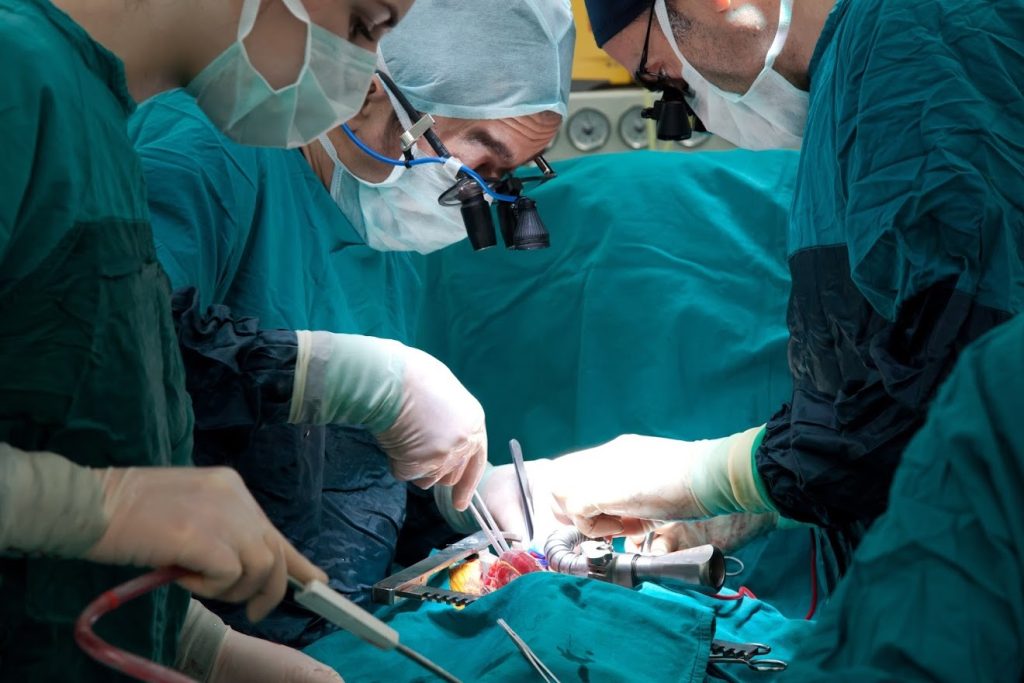
Surgical oncology is a specialized field of medicine that focuses on the surgical management of cancer. It involves the removal of tumors and surrounding tissue during an operation to diagnose, stage, or treat cancer. Surgical oncologists work closely with multidisciplinary teams, including medical and radiation oncologists, to develop comprehensive, personalized treatment plans. The goal of surgical oncology is not only to remove cancerous growths but also to preserve function, alleviate symptoms, and improve the patient's overall quality of life.
Treatment Approaches to Discuss
Treatment depends on the confirmed diagnosis, overall health, investigations, goals and specialist-team assessment.
Curative surgery (tumor resection)
Debulking surgery (cytoreduction)
Palliative surgery for symptom relief
Diagnostic or staging surgery
Reconstructive surgery following tumor removal
Minimally invasive (laparoscopic or robotic) surgery
Sentinel lymph node biopsy and lymph node dissection
Hyperthermic intraperitoneal chemotherapy (HIPEC)
Selecting the Right Specialist
When selecting a surgical oncologist, it is essential to choose a board-certified surgeon who specializes specifically in your type of cancer. Look for a specialist affiliated with a recognized comprehensive cancer center, as these institutions offer multidisciplinary care teams and access to the latest surgical techniques and clinical trials. Consider the surgeon's experience and volume of procedures performed, as higher volumes are often associated with better outcomes. Furthermore, prioritize a doctor who communicates clearly, takes the time to explain your options, and makes you feel comfortable and supported throughout your treatment journey.
Preparing for Evaluation
Preparation for oncological surgery involves a comprehensive medical evaluation to ensure you are fit for the procedure. Your healthcare team will conduct preoperative tests, such as blood work, imaging, and electrocardiograms. You may be advised to adjust or pause certain medications, particularly blood thinners, and to stop smoking to promote better healing. Nutritional counseling and physical conditioning (prehabilitation) might be recommended to strengthen your body. Additionally, your surgeon will discuss the details of the procedure, potential risks, and the expected recovery timeline, allowing you to arrange for necessary support at home and manage any preoperative anxiety.
Recovery and Continuity of Care
Recovery after cancer surgery varies significantly based on the procedure's complexity and your overall health. Initially, you will be monitored closely in the hospital to manage pain, prevent infection, and ensure proper wound healing. Physical therapy and early mobilization are often encouraged to reduce the risk of complications like blood clots. Once discharged, you will receive specific instructions regarding wound care, activity restrictions, and dietary modifications. Follow-up appointments are crucial to monitor your progress, discuss pathology results, and determine if further treatments, such as chemotherapy or radiation, are necessary as part of your ongoing cancer care.
Discharge summary
Medication plan
Remote follow-up
Questions to Ask the Clinical Team
1What is the goal of this surgery (curative, palliative, or diagnostic)?
2Are there minimally invasive surgical options available for my condition?
3What are the potential risks and complications associated with this procedure?
4How long will I need to stay in the hospital after the surgery?
5Will I need additional treatments, such as chemotherapy or radiation, after the operation?
6How will this surgery impact my daily life and physical function?
7What should I expect during the recovery period at home?