Understand the specialty
Clinical Overview and Direction
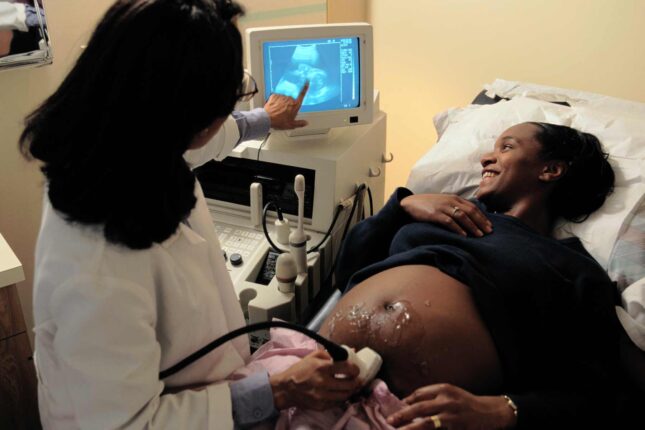
Obstetrics and gynaecology is a medical specialty focused on the comprehensive care of the female reproductive system and the management of pregnancy, childbirth, and the postpartum period. It encompasses both medical and surgical interventions to address a wide spectrum of women's health issues, from routine screenings and preventive care to complex reproductive disorders. Specialists in this field provide personalized care to ensure optimal maternal and fetal outcomes, as well as the long-term well-being of women across all stages of life.
Diagnostics and Useful Records
Complete records help the clinical team prepare a more useful opinion before travel.
Pelvic ultrasound and transvaginal ultrasound
Pap smear and HPV testing
Colposcopy and cervical biopsy
Hysteroscopy for uterine evaluation
Laparoscopy for pelvic assessment
Mammography and breast ultrasound
Fetal echocardiography and prenatal genetic screening
Hormonal blood tests and fertility assessments
Treatment Approaches to Discuss
Treatment depends on the confirmed diagnosis, overall health, investigations, goals and specialist-team assessment.
Minimally invasive laparoscopic and robotic surgery
Hysterectomy and myomectomy
In vitro fertilization (IVF) and assisted reproductive technologies
Management of high-risk pregnancies and complex deliveries
Pelvic floor reconstruction and incontinence surgery
Hormone replacement therapy and medical management of PCOS
Treatment of gynecological malignancies
Family planning and contraceptive counseling
Selecting the Right Specialist
Choosing the right specialist involves verifying their credentials, board certifications, and specific expertise in your required area, such as maternal-fetal medicine, reproductive endocrinology, or gynecologic oncology. Look for specialists affiliated with internationally accredited hospitals that offer comprehensive multidisciplinary care and advanced technological infrastructure. It is also beneficial to inquire about their experience with international patients, their approach to personalized treatment plans, and the availability of language support services to facilitate clear communication throughout your medical journey.
Preparing for Evaluation
Before traveling for obstetric or gynecological care, compile a comprehensive medical file including recent imaging (ultrasounds, MRIs), blood test results, surgical history, and detailed notes on previous pregnancies or treatments. If seeking fertility care or treatment for complex conditions, ensure all diagnostic reports are translated if necessary. Discuss your travel plans with your local physician, especially if you are pregnant, to ensure it is safe to fly. Understand the specific protocols of the receiving hospital and plan your itinerary to allow adequate time for pre-procedure consultations and post-treatment recovery.
Recovery and Continuity of Care
Recovery following gynecological surgery or complex obstetric procedures varies significantly depending on the intervention. Minimally invasive surgeries often allow for a faster return to normal activities, whereas major procedures like abdominal hysterectomies or cesarean sections require extended rest and limited physical exertion. Patients are typically advised to stay near the treatment center for follow-up evaluations to monitor healing, remove sutures, and manage any potential complications. Strict adherence to prescribed medications, physical restrictions, and postoperative guidelines is essential for a smooth and successful recovery.
Discharge summary
Medication plan
Remote follow-up