⚠️ We are closely monitoring the recent Ebola outbreak in the Democratic Republic of the Congo. We extend our deepest sympathies to the Congolese people during this challenging time, and our thoughts and steadfast support remain with the affected communities.
Cardiology
MHF Patient Guide

Cardiology

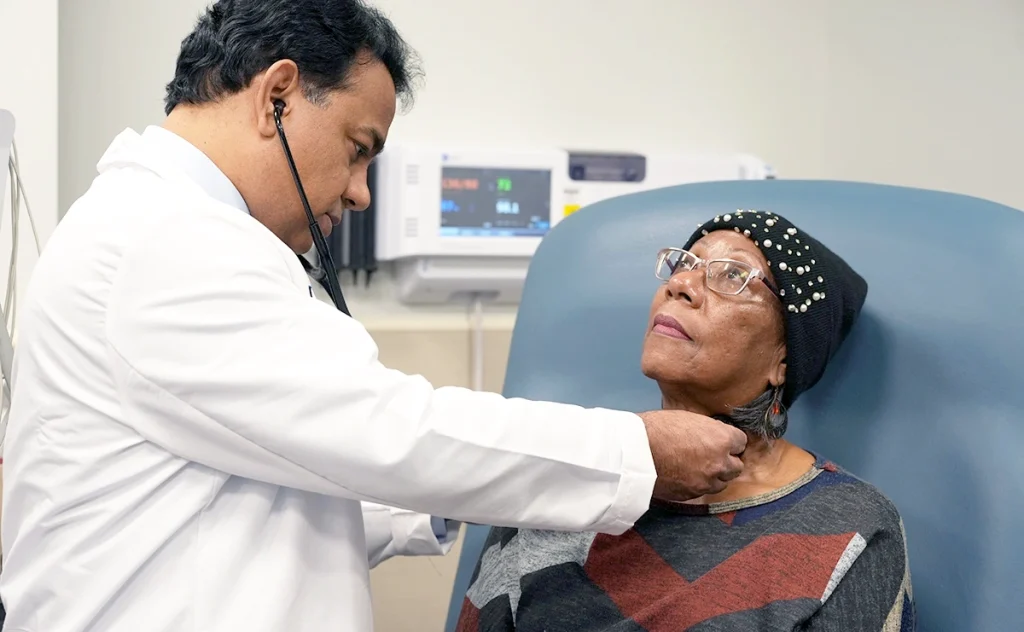
Cardiology is the medical specialty dedicated to diagnosing, treating, and managing disorders of the heart and blood vessels. For international patients seeking specialized care, it encompasses a wide range of services from preventive screenings to complex surgical interventions. Advanced cardiac care focuses on improving heart function, managing chronic conditions, and providing life-saving treatments using state-of-the-art technology and evidence-based medical practices.

137
specialist profiles
9+
hospitals to explore
EN / FR
bilingual coordination
24–48h
initial response target

Understand the specialty

Clinical Overview and Direction

Cardiology is the medical specialty dedicated to diagnosing, treating, and managing disorders of the heart and blood vessels. For international patients seeking specialized care, it encompasses a wide range of services from preventive screenings to complex surgical interventions. Advanced cardiac care focuses on improving heart function, managing chronic conditions, and providing life-saving treatments using state-of-the-art technology and evidence-based medical practices.

Conditions Commonly Evaluated

  • Coronary artery disease (CAD)
  • Heart rhythm disorders (Arrhythmias)
  • Heart failure
  • Valvular heart disease
  • Congenital heart defects
  • Hypertension (High blood pressure)
  • Cardiomyopathy
  • Peripheral artery disease

When to Seek Urgent Local Care

Do not delay urgent care while arranging international travel.

  • Severe or crushing chest pain, especially if radiating to the arm, neck, or jaw
  • Sudden, severe shortness of breath
  • Fainting spells or unexplained loss of consciousness
  • Rapid, irregular heartbeat accompanied by dizziness
  • Sudden weakness or numbness in the face, arm, or leg

Diagnostics and Useful Records

Complete records help the clinical team prepare a more useful opinion before travel.

Electrocardiogram (ECG or EKG)
Echocardiogram (Ultrasound of the heart)
Cardiac catheterization and angiogram
Stress testing (Treadmill or pharmacological)
Holter monitoring (24-hour heart rate tracking)
Cardiac MRI (Magnetic Resonance Imaging)
CT Coronary Angiogram
Blood tests for cardiac biomarkers

Treatment Approaches to Discuss

Treatment depends on the confirmed diagnosis, overall health, investigations, goals and specialist-team assessment.

Angioplasty and stent placement
Coronary artery bypass grafting (CABG)
Heart valve repair or replacement
Pacemaker or implantable cardioverter-defibrillator (ICD) insertion
Catheter ablation for arrhythmias
Heart failure management programs
Medication therapy and lifestyle modification
Cardiac rehabilitation

Selecting the Right Specialist

When selecting a cardiologist or cardiac surgeon, look for board-certified professionals with extensive experience in treating your specific condition. Consider specialists affiliated with internationally accredited hospitals (such as JCI accreditation) that feature dedicated heart centers and advanced cardiac intensive care units (ICUs). It is beneficial to inquire about the doctor's volume of cases for the proposed procedure, their complication rates, and their approach to multidisciplinary care. Open communication is vital, so choosing a specialist who explains treatment options clearly and involves you in the decision-making process will greatly enhance your treatment experience.

Preparing for Evaluation

Before traveling for specialized cardiac care, it is essential to gather all previous medical records, including ECGs, echocardiogram reports, angiography CDs, and a complete list of current medications with dosages. Patients should discuss their travel plans with their local physician to ensure they are fit to fly, especially if they have a history of recent heart issues. It is advisable to arrange for a companion to travel with you for support and assistance. Upon arrival, expect a comprehensive initial consultation where the specialist will review your history and may order updated diagnostic tests to tailor the treatment plan to your current condition.

Recovery and Continuity of Care

Recovery after cardiac procedures varies significantly depending on the intervention. Minimally invasive procedures like angioplasty may require only a few days of hospital stay and a short recovery period, while major surgeries like bypass require a longer hospitalization and several weeks of gradual rehabilitation. Patients will receive detailed post-operative care instructions, including wound care, medication schedules, and dietary restrictions. A structured cardiac rehabilitation program is often recommended to safely restore physical activity levels. International patients should plan for an extended stay in the destination country to attend follow-up appointments and ensure it is safe to fly back home.

Discharge summary
Medication plan
Remote follow-up

Questions to Ask the Clinical Team

1What are the specific risks and benefits of the proposed treatment for my condition?
2Are there any alternative, less invasive treatment options available?
3How many times have you performed this specific procedure?
4What is the expected timeline for my recovery and return to normal activities?
5How long will I need to stay in the hospital and in the country before it is safe to fly home?
6What kind of follow-up care will I need once I return to my home country?
7How will my local doctor be kept informed about my treatment and progress?
Explore Profiles

Related Specialists

View all 137 profiles
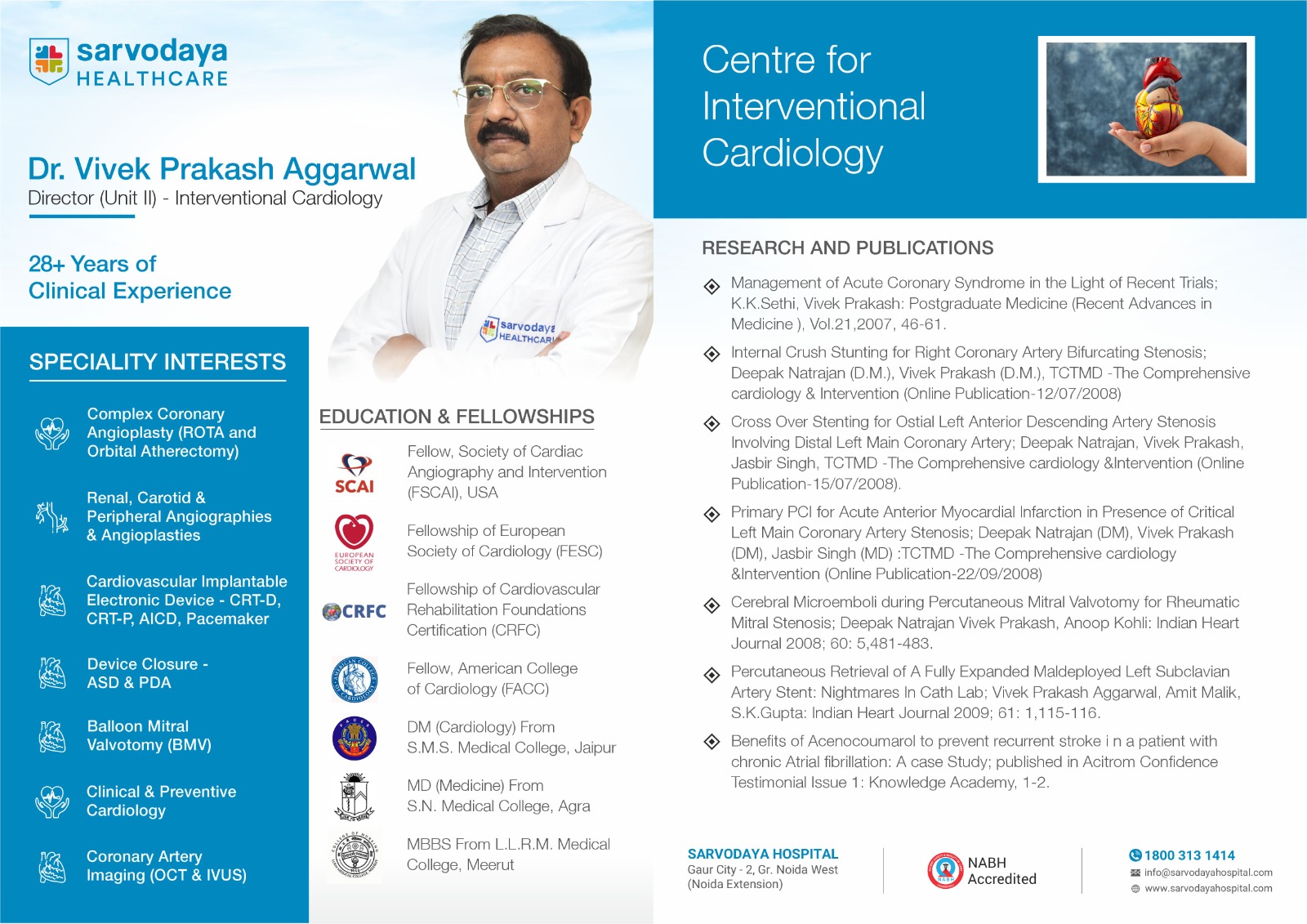
Dr. Vivek Prakash Aggarwal

Dr. Vivek Prakash Aggarwal

Director (Unit II) - Interventional Cardiology

Sarvodaya Hospital

View profile
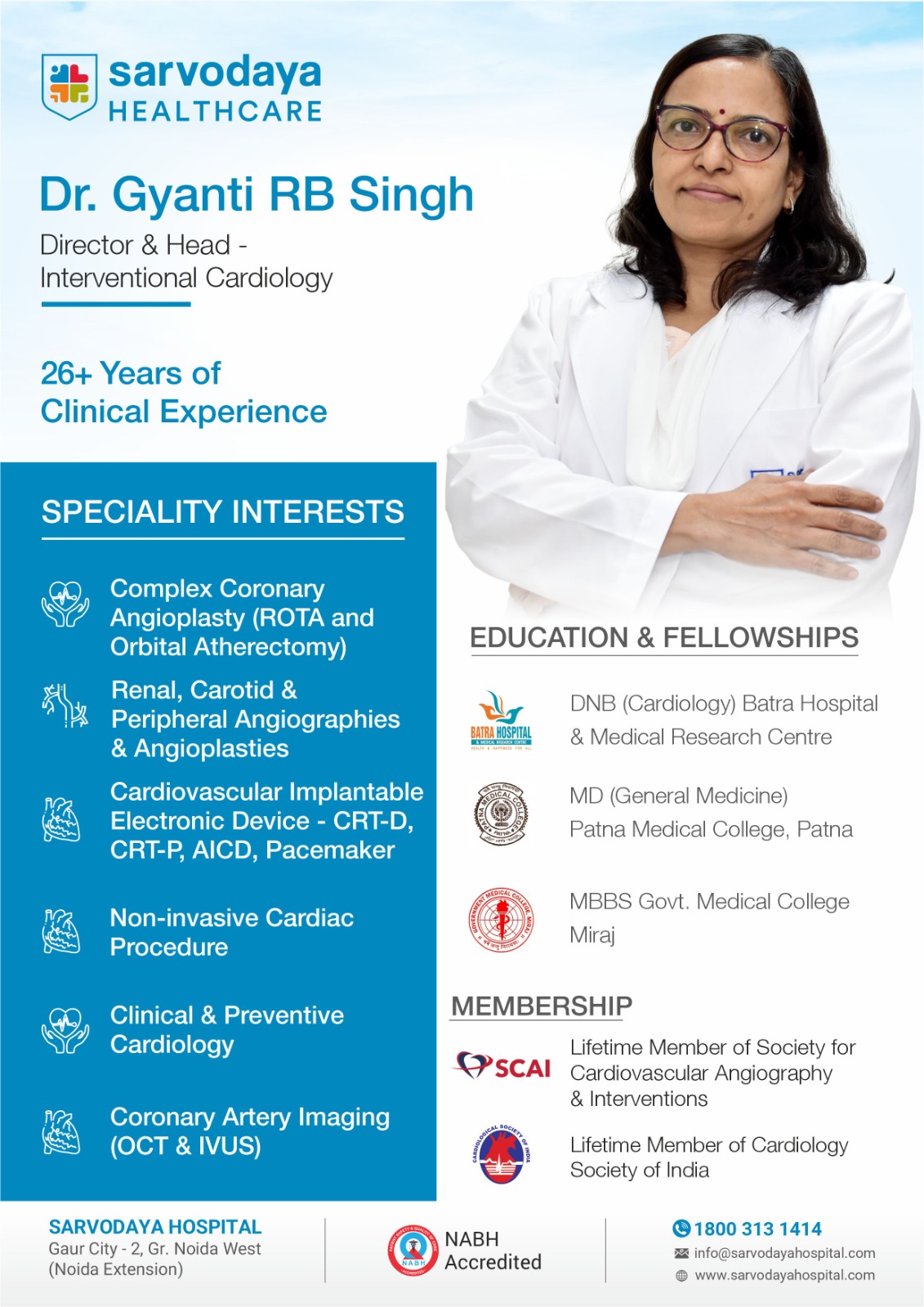
Dr. Gyanti RB Singh

Dr. Gyanti RB Singh

Director & Head - Interventional Cardiology

Sarvodaya Hospital

View profile
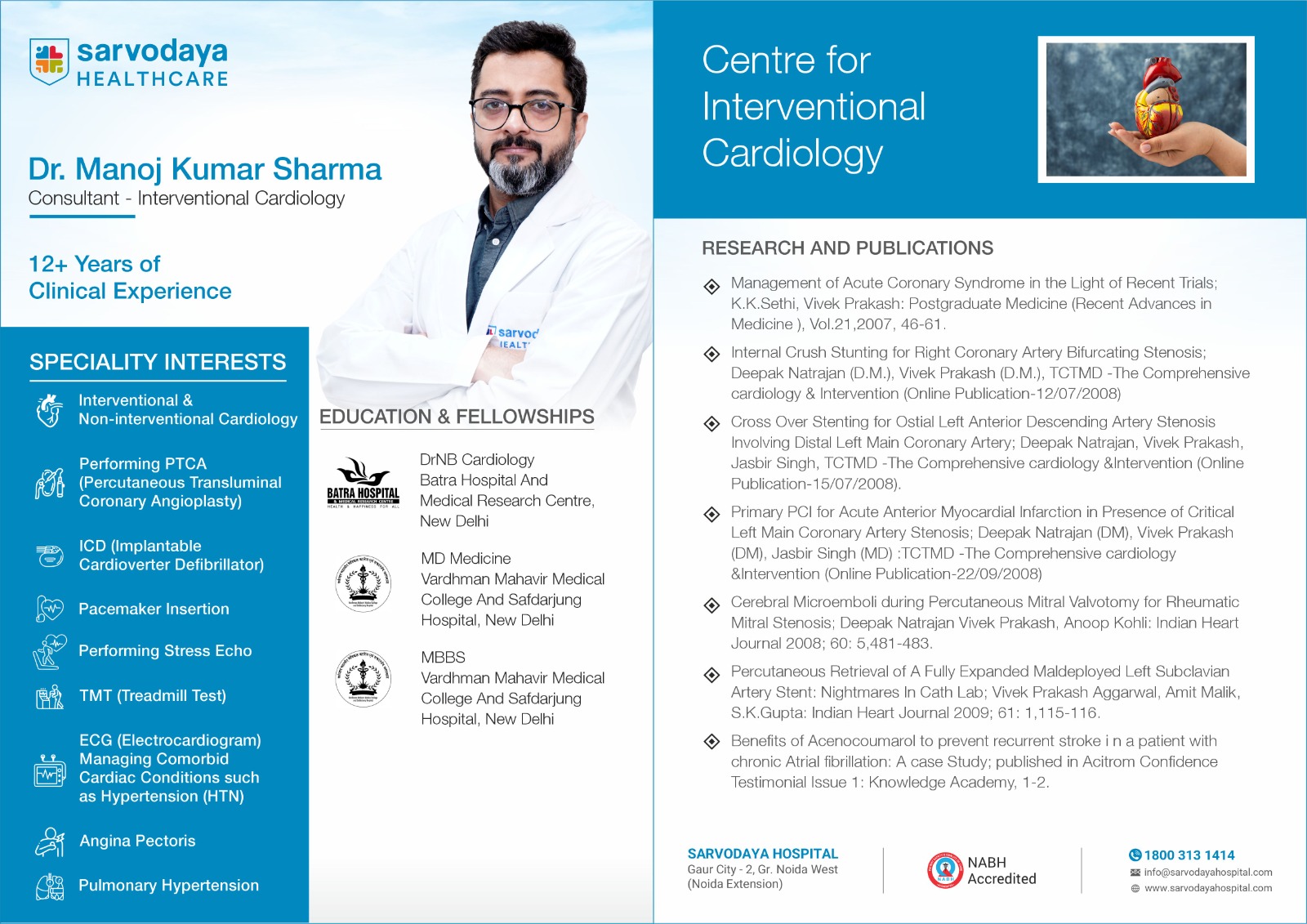
Dr. Manoj Kumar Sharma

Dr. Manoj Kumar Sharma

Consultant - Interventional Cardiology

Sarvodaya Hospital

View profile
Dr. Abhinav Chhabra

Dr. Abhinav Chhabra

Consultant, Cardiac Care

Medanta - The Medicity

View profile
Dr. Abhishek Kumar Tiwari

Dr. Abhishek Kumar Tiwari

Associate Consultant, Cardiac Care

Medanta - The Medicity

View profile
Dr. Ahmar Nauman Tarique

Dr. Ahmar Nauman Tarique

Associate Director, Cardiac Care

Medanta - The Medicity

View profile

Compare Facilities

Hospitals Offering This Specialty

FAQ

Frequently Asked Questions

Is it safe to fly with a heart condition?

Flying with a heart condition is generally safe for stable patients, but it depends on the severity of the disease and recent events like a heart attack or surgery. You must consult your local cardiologist for a 'fit-to-fly' clearance before making travel arrangements.

What is the difference between a cardiologist and a cardiac surgeon?

A cardiologist diagnoses and treats heart conditions using medications and minimally invasive procedures like angioplasty. A cardiac surgeon performs open-heart surgeries, such as bypass surgery or valve replacements, when more invasive treatment is required.

How can I transfer my medical records internationally?

Medical records can usually be shared digitally through secure portals provided by the destination hospital. You should ensure that all reports, imaging (like echocardiograms or angiograms), and laboratory results are translated into English if necessary and sent ahead of your consultation.

Will I need to change my diet after heart treatment?

Yes, dietary changes are often a critical part of cardiac recovery and long-term health. A heart-healthy diet typically involves reducing sodium, saturated fats, and processed foods while increasing the intake of fruits, vegetables, and whole grains. Your care team will provide specific guidelines.

Can I continue taking my current medications before surgery?

Some medications, particularly blood thinners or certain diabetes drugs, may need to be stopped or adjusted before a cardiac procedure. It is crucial to provide a complete list of your medications to your specialist, who will instruct you on what to take or avoid.

What is cardiac rehabilitation?

Cardiac rehabilitation is a medically supervised program designed to improve your cardiovascular health after a heart event or surgery. It includes exercise counseling, education on heart-healthy living, and stress management to help you recover and prevent future heart problems.

Editorial Transparency

Educational Information, Not a Diagnosis

This guide summarizes general information from established medical sources. It does not replace consultation, diagnosis or an individualized treatment plan. Options, costs, timelines and possible outcomes depend on clinical assessment.

Reviewed: 2026-08-27

Ready to Organize a Specialist Review?

Send the available reports. MHF helps identify suitable teams and compare responses before any decision.

Chat on WhatsApp