Understand the specialty
Clinical Overview and Direction
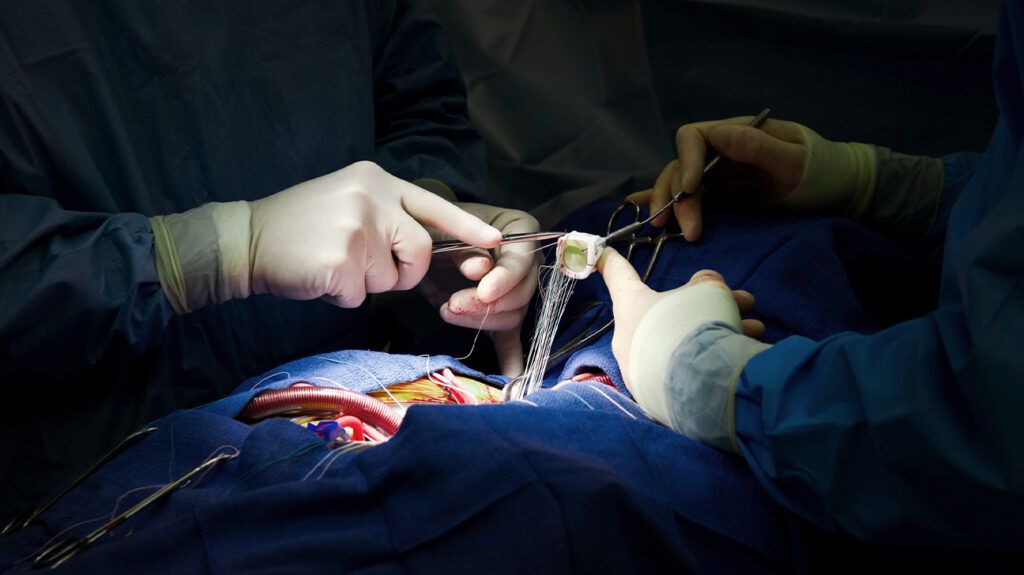
Cardiac surgery encompasses a variety of procedures performed on the heart muscle, valves, arteries, and other connected structures to treat complications of ischemic heart disease, correct congenital heart disease, or treat valvular heart disease. It is a critical specialty that aims to restore proper heart function, alleviate symptoms, and improve overall quality of life.
Treatment Approaches to Discuss
Treatment depends on the confirmed diagnosis, overall health, investigations, goals and specialist-team assessment.
Coronary Artery Bypass Grafting (CABG)
Heart valve repair or replacement
Aortic aneurysm repair
Heart transplant
Implantable Cardioverter Defibrillator (ICD) insertion
Pacemaker implantation
Maze procedure for atrial fibrillation
Transcatheter Aortic Valve Replacement (TAVR)
Selecting the Right Specialist
When selecting a cardiac surgeon, it is important to consider their board certification, experience with the specific procedure required, and the outcomes data of the hospital where the surgery will be performed. Look for a specialist who is part of a multidisciplinary team, communicates clearly, and takes the time to address all your concerns. Recommendations from your primary cardiologist and researching the surgeon's background can also guide your decision.
Preparing for Evaluation
Preparation for cardiac surgery involves comprehensive medical evaluations, including blood tests, imaging, and consultations with anesthesiologists and surgeons. Patients are typically advised to stop smoking, adjust certain medications (especially blood thinners), and follow specific dietary guidelines in the days leading up to the procedure. Psychological preparation and understanding the steps of the surgery and recovery are also crucial for optimal outcomes.